
Water Systems That Maintain Steady Pressure
Well Bladder Tanks & Pumps in Dowagiac for properties with inconsistent water delivery or system failure
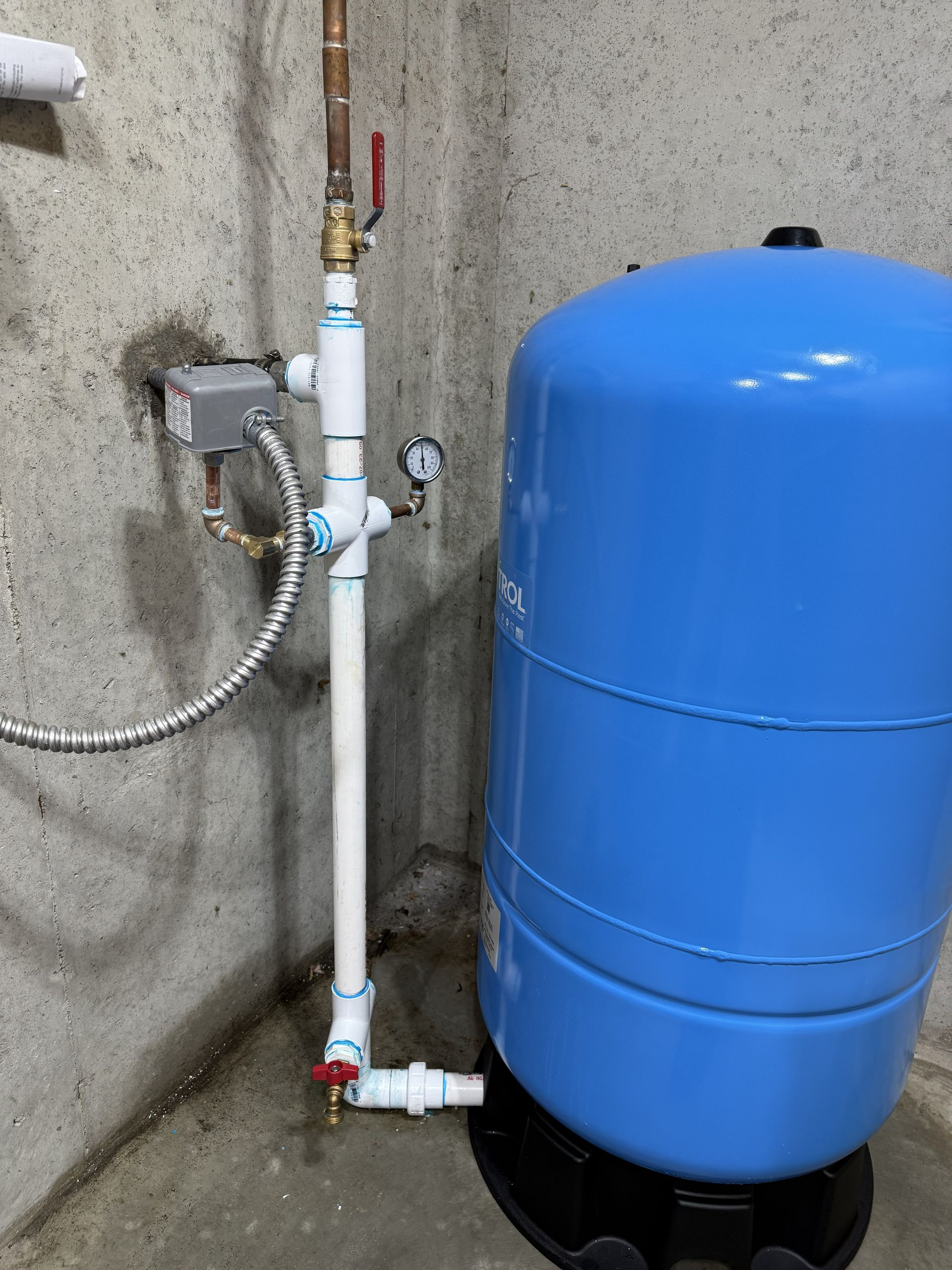
Fluctuating water pressure at fixtures, pumps that cycle on and off every few seconds, or complete loss of water inside the home all point to failure in the well pump or pressure tank system. Lakeside Plumbing installs and repairs well bladder tanks and pumps for properties that rely on private well systems rather than municipal supply. The pump draws water from the well casing and delivers it to the pressure tank, where the bladder maintains system pressure so the pump doesn't activate every time a faucet opens.
The service addresses tanks with ruptured bladders that no longer separate air charge from water, pumps that fail to start when pressure drops, and control switches that no longer signal the motor at the correct cut-in point. When the bladder tears, waterlogged tanks lose their ability to buffer pressure swings, forcing the pump to run constantly and shortening motor life.
Arrange an on-site consultation to review your current well system performance and pressure stability.
How Well Systems Maintain Water Delivery
Inspection involves checking the air pressure in the tank bladder with a tire gauge at the Schrader valve, testing the pressure switch for proper cut-in and cut-out settings, and measuring pump voltage and amperage to confirm the motor operates within manufacturer specifications. A properly charged bladder holds air at two pounds below the cut-in pressure, creating the cushion that prevents rapid cycling.
After service, you notice steady pressure at all fixtures without the pulsing or surging that indicates bladder failure, and the pump runs for longer intervals with appropriate rest time between cycles instead of starting every twenty seconds. Showers no longer experience pressure drops when someone elsewhere in the home opens a faucet, and the system delivers consistent flow during simultaneous water use.
Service includes evaluating whether the existing tank size matches household demand, whether the pump submersible or jet configuration suits well depth and yield, and whether the pressure switch requires recalibration or replacement. The service does not include well drilling, casing repair, or water treatment equipment installation, which require separate specialized work.
Answers to Frequent Service Questions
Private well owners often ask about system longevity, pressure settings, and signs that replacement rather than repair is necessary.
What indicates a bladder has failed inside the pressure tank?
When the air valve releases water instead of air, or when the tank feels unusually heavy and waterlogged despite low household water use, the bladder has likely ruptured and the tank no longer maintains its air charge properly.
How does Michigan winter affect well pump operation?
Severe cold can cause above-ground pressure tanks in unheated spaces to freeze, rupturing the bladder or cracking the tank shell, and prolonged power outages during winter storms leave systems vulnerable if pipes aren't properly insulated or heat-traced.
Why does the pump continue running without building pressure?
The pump may have lost prime due to a dropped water table, the foot valve at the well intake may be stuck open allowing water to drain back, or the pump itself has worn impellers that no longer generate sufficient lift.
When should the entire pump be replaced?
Replace the pump when motor windings show reduced resistance indicating winding failure, when the pump has operated fifteen years or longer and efficiency has declined significantly, or when repair costs for failed components approach seventy percent of new pump pricing.
What pressure settings work best for residential well systems?
Most homes operate with cut-in pressure between thirty and forty pounds per square inch and cut-out pressure twenty pounds higher, balancing adequate fixture flow with reduced pump cycling and energy consumption.
Lakeside Plumbing diagnoses well system pressure loss, pump cycling issues, and bladder tank failure to restore reliable water delivery. Schedule well system service to address inconsistent pressure or equipment that no longer functions correctly.