
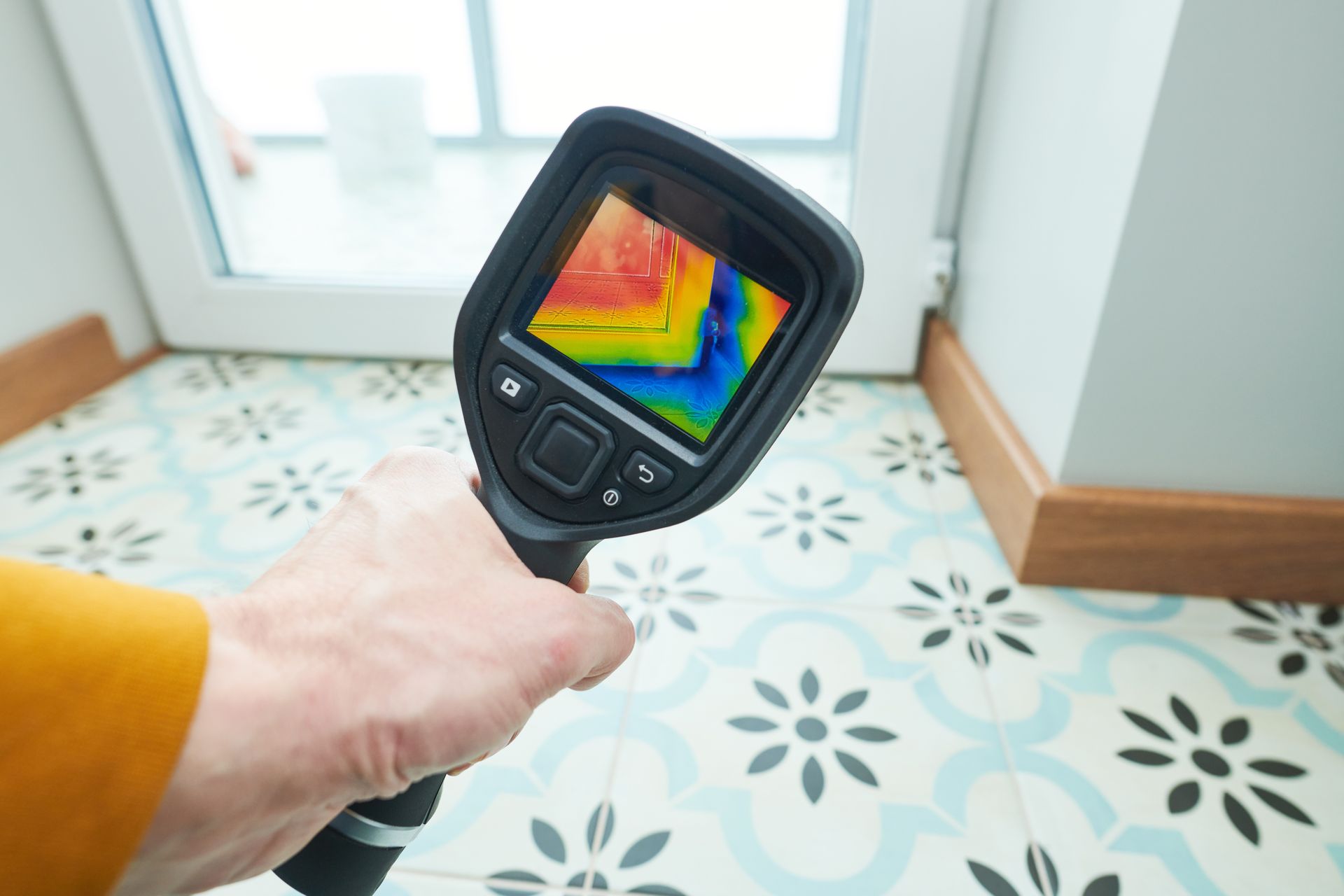
Finding Hidden Leaks Before Opening Walls
Leak Detection in Dowagiac for hidden residential water leaks in slabs, crawlspaces, and basements
Southwest Michigan's mix of slabs, crawlspaces, and basement foundations each hide leaks differently—slabs mask pressure loss while crawlspaces mask slow drips that go unnoticed for weeks. Lakeside Plumbing Company uses pressure testing and acoustic detection to locate the actual leak point before any wall or concrete is opened. Homes in Keeler Township and Fairmount Township built on slabs routinely show water damage in one room while the actual leak originates several feet away behind intact drywall or under uncracked concrete.
Pressure testing isolates which section of the supply system is losing water, then acoustic detection pinpoints the exact location of the leak within that zone. This two-step process separates the visible damage point from the actual failure point, which matters because repairing where the water showed up leaves the real leak active and the problem unresolved.
Schedule a property evaluation to identify leak sources without demolition.
How Non-Invasive Detection Protects Your Home
Acoustic detection equipment listens for the sound of water escaping under pressure, which allows the technician to mark the leak location on the floor or wall surface before any cutting begins. Pressure testing confirms that the identified spot is the only active leak in that zone, so you're not opening walls only to find a second failure point after the first repair is complete.
Once the leak is located and marked, you'll know exactly where the repair needs to happen and what access will be required. Lakeside Plumbing Company provides a quote for the repair work separately from the detection service, so you can evaluate the full scope before committing to the fix. You'll also receive documentation of the detection equipment used and the exact location of the failure.
The detection process typically takes one to three hours depending on the size of the home and the complexity of the plumbing layout. Homes with multiple supply zones or older pipe systems may require additional testing to rule out secondary leaks that haven't yet caused visible damage.
What Property Owners Usually Ask
Most homeowners in Dowagiac want to know how the process works and whether their specific situation requires specialized equipment.
What equipment is used for leak detection?
Pressure testing uses gauges to isolate the leaking zone, and acoustic sensors detect the sound frequency of water escaping under pressure, which is distinct from normal flow noise.
How accurate is acoustic detection in finding the exact leak location?
Acoustic detection typically narrows the location to within a few inches, which means the access hole or concrete cut can be minimized and placed precisely where the repair is needed.
Why does my crawlspace leak take so long to show up?
Crawlspaces in southwest Michigan often have poor ventilation and dirt floors, so a slow drip evaporates or soaks into the ground before pooling enough to be noticed, while the supply line continues losing pressure.
Is the leak repair included in the detection service?
Detection and repair are quoted separately so you can review the full repair scope and cost before any work begins, and you're not committed to the repair simply by scheduling the detection.
When should I call for leak detection instead of trying to find it myself?
If you see water damage but can't locate an obvious source, or if your water bill has increased without explanation, detection equipment will find the problem faster and with less guesswork than opening multiple access points.
Lakeside Plumbing Company serves residential properties throughout Dowagiac and handles both the detection and the follow-up repair if you choose to move forward. Request an on-site assessment to confirm the leak location and review your repair options.